Kia Slovakia builds the foundation for a digital factory with Visual Components
Kia Slovakia has taken its first steps toward a digital factory by adopting Visual Components for 3D production line design, cycle time analysis, and communication across engineering teams. The company is building the foundation for future digital twins, VR training, and production optimization while reducing planning risks and improving stakeholder collaboration.
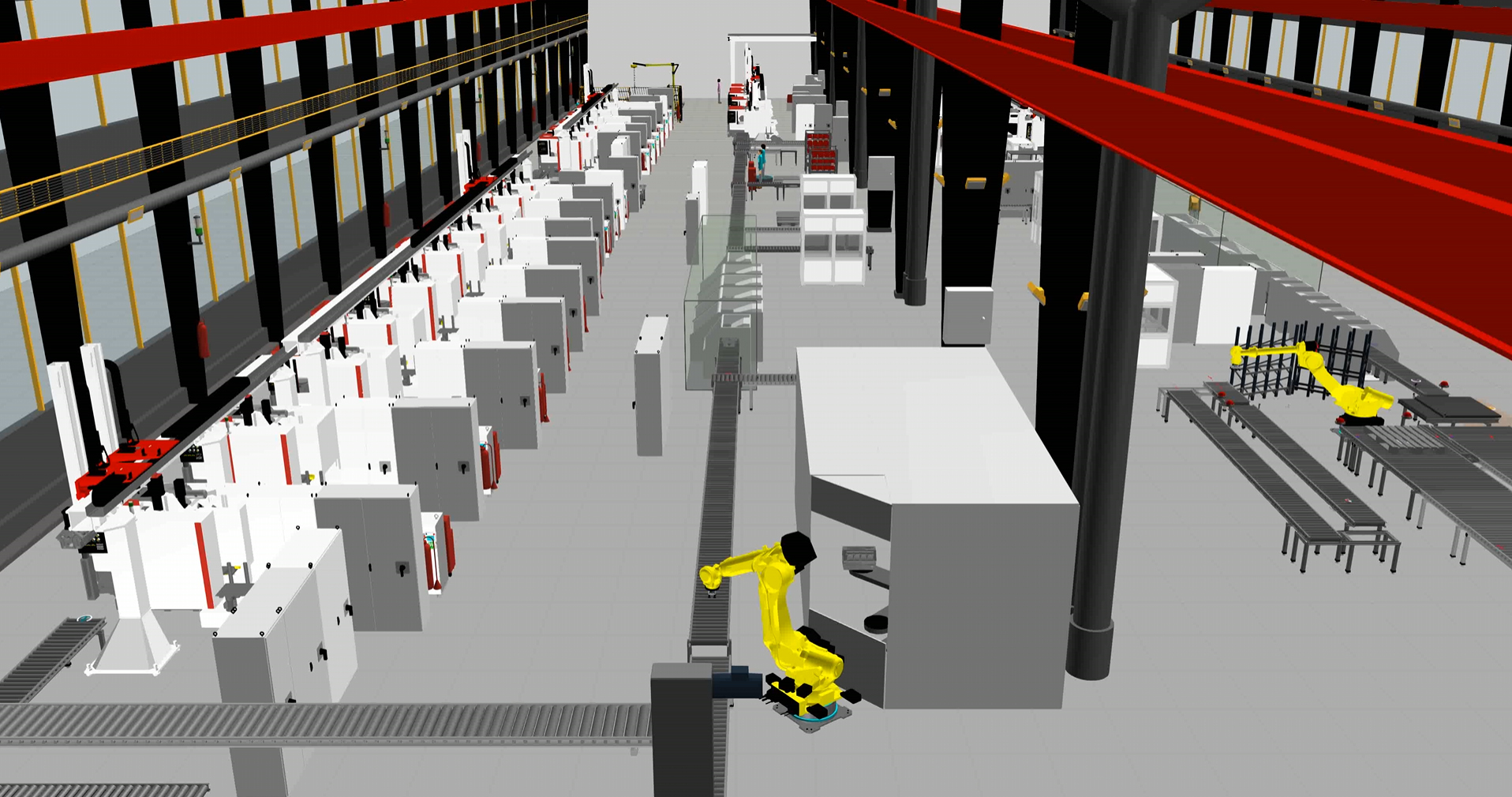
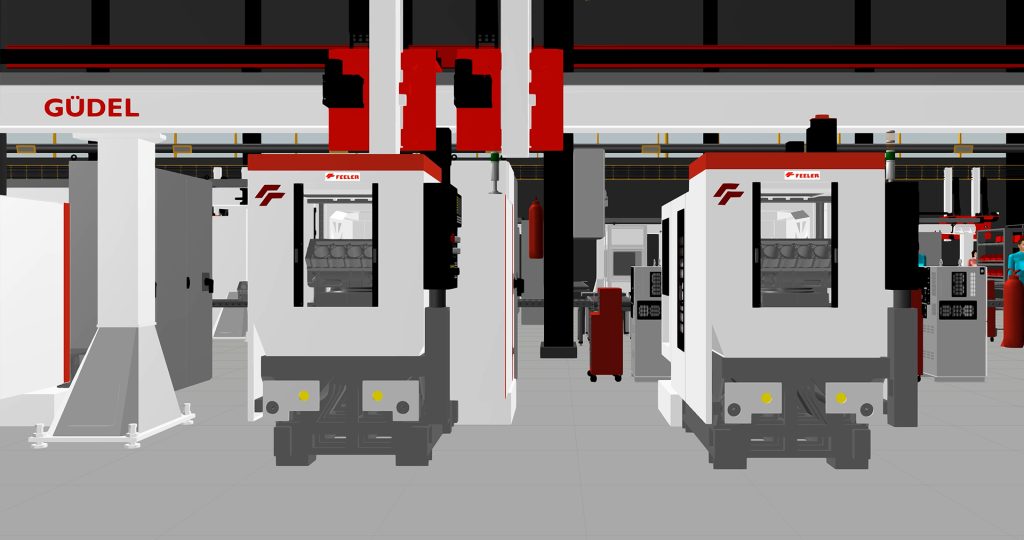
For automotive manufacturers, even small inefficiencies in production planning can lead to significant costs. As production systems become increasingly complex, manufacturers need better ways to design, validate, and communicate production concepts before equipment reaches the shop floor. At Kia Slovakia, the Manufacturing Engineering Engine Department has started its journey from traditional 2D planning methods toward interactive 3D manufacturing simulation using Visual Components. The company is using simulation to improve production line visualization, analyze cycle times, identify bottlenecks, and support future digital factory initiatives.
Moving beyond 2D planning
Before adopting Visual Components, production concepts were evaluated using a combination of engineering calculations, 2D layouts, and established planning methods. While these methods supported basic planning activities, they made it difficult to fully understand the behavior of complex production systems.
The engineering team faced several challenges:
- Limited visibility into actual production flow and equipment interactions.
- Difficulty validating cycle times and identifying bottlenecks.
- Risk of overlooking product movements throughout the production line.
- Challenges communicating concepts to stakeholders without a technical background.
“Explaining the project to stakeholders without a technical background was often challenging.”
Marian Z., A. Manager at Kia Slovakia
Starting the digital factory journey
Kia Slovakia began exploring new technologies to support its long-term digitalization strategy, including digital factory models, virtual reality, and virtual operator training. The team needed a platform that would allow them to move from static planning methods to dynamic 3D simulations.
After evaluating available options, the company selected Visual Components because of its usability and extensive component library.
“Visual Components was simpler to use compared to alternatives and has one of the largest 3D model libraries on the market.”
Marian Z., A. Manager at Kia Slovakia
The availability of ready-made automation components in the Visual Components eCatalog also helped accelerate project development.
Using simulation to understand and improve production lines
Today, Kia Slovakia uses Visual Components for:
- Production layout planning
- Material flow simulation
- Robotics studies
- Signal modeling
- Cycle time analysis
- Bottleneck identification
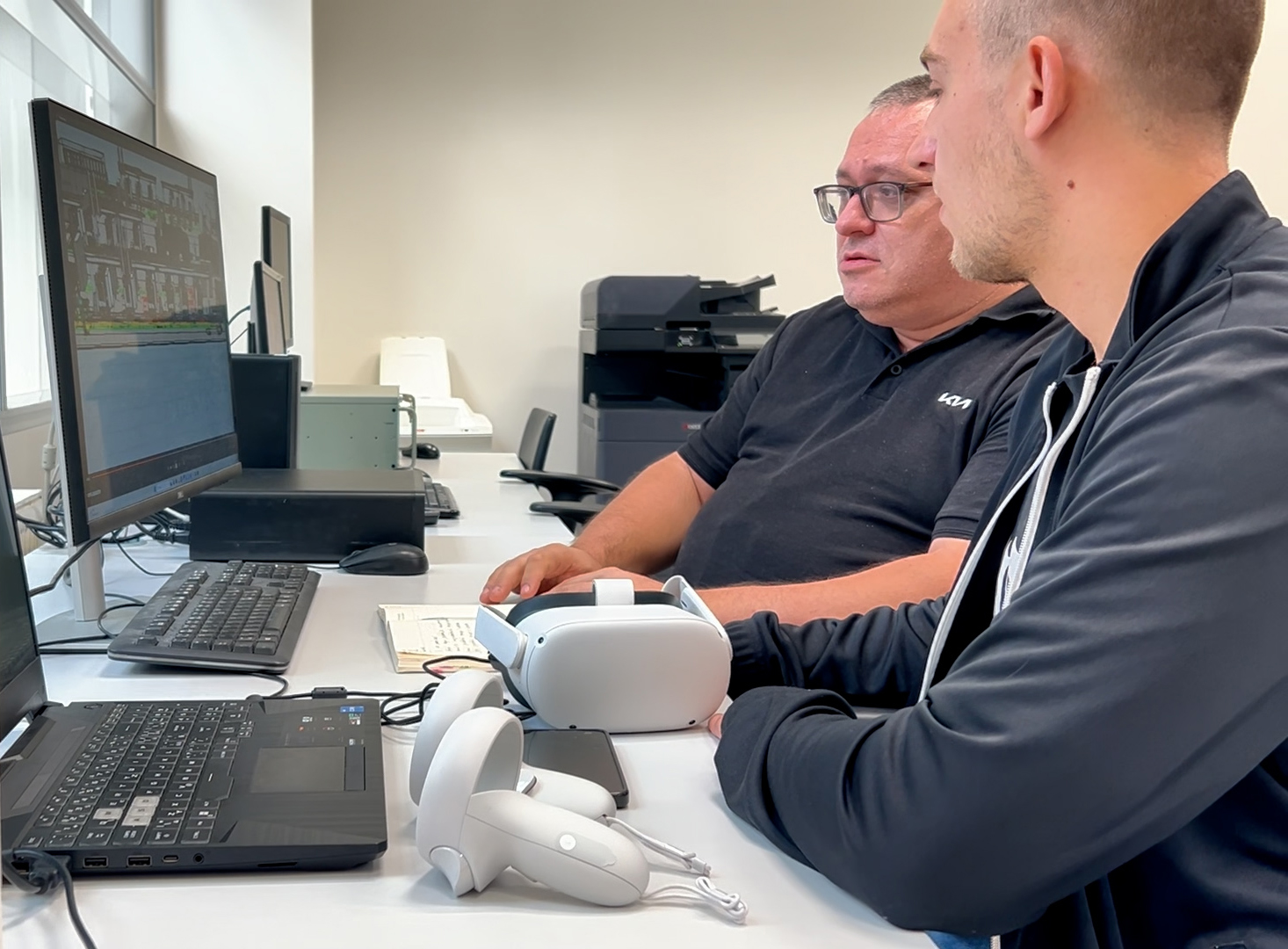
For the engineering team, the ability to visualize production behavior has become one of the most valuable benefits.
“It is better to show something once than explain it twice.”
Marian Z., A. Manager at Kia Slovakia
By replacing static documents with interactive simulation models, engineers can demonstrate production concepts more clearly and align stakeholders faster. The visual representation helps both technical and non-technical teams understand complex manufacturing systems and make more informed decisions.
Finding bottlenecks before implementation
One of the most important applications of Visual Components at Kia Slovakia is cycle time analysis and bottleneck identification. Previously, engineers relied heavily on calculations in Excel, making it difficult to understand how individual processes affected overall line performance.
With simulation, the team can evaluate production flows more realistically and gain better visibility into system behavior.
“The most complex problem we solved using Visual Components was identifying and resolving bottlenecks.”
Marian Z., A. Manager at Kia Slovakia
These insights help engineers optimize production concepts before implementation and create a stronger foundation for future digital twin initiatives.
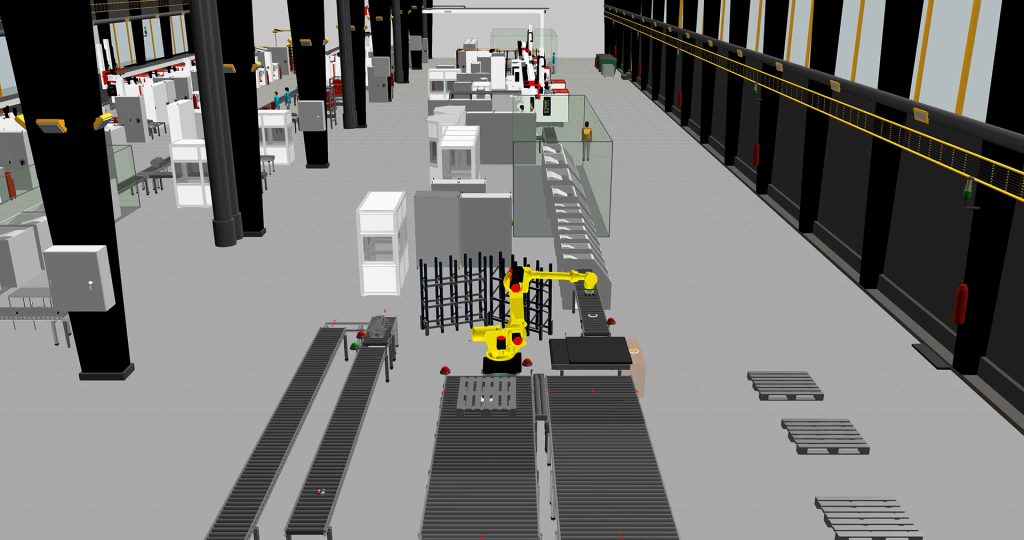
A strong foundation for future innovation
Since adopting Visual Components, the team has begun expanding its use of simulation technology and exploring new simulation-driven workflows.
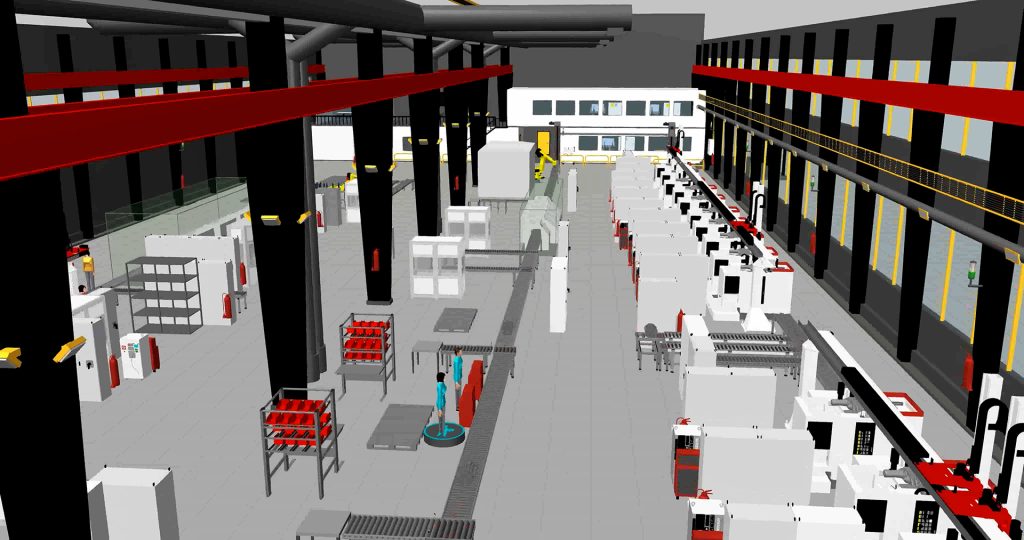
Current and future initiatives include:
- Converting 2D production lines into fully interactive 3D models
- Exploring the development of digital twins with real dimensions and production data
- Updating simulation models using actual production cycle times
- Investigating production bottlenecks and weak points
- Creating simulation videos for presentations
- Training operators and new employees using VR technology
- Providing immersive factory demonstrations for visitors
- Connecting simulations with real production signals and PLC systems
One of the team’s memorable early experiences came from seeing production flow visualized in 3D.
“The detailed visualization of production line product flow and the VR capabilities were real wow moments for us.”
Marian Z., A. Manager at Kia Slovakia
Advice for companies starting with simulation
Based on Kia Slovakia’s experience, simulation delivers value by helping organizations reduce mistakes, optimize engineering time, and improve return on investment.
Marian recommends starting with tools that provide both modeling flexibility and scalability:
“Traditional methods still have value, but they should be connected with new technologies.”
Marian Z., A. Manager at Kia Slovakia
He also emphasizes the importance of accessible training and practical education to help future engineers gain real-world simulation skills.
About Kia Slovakia s.r.o.
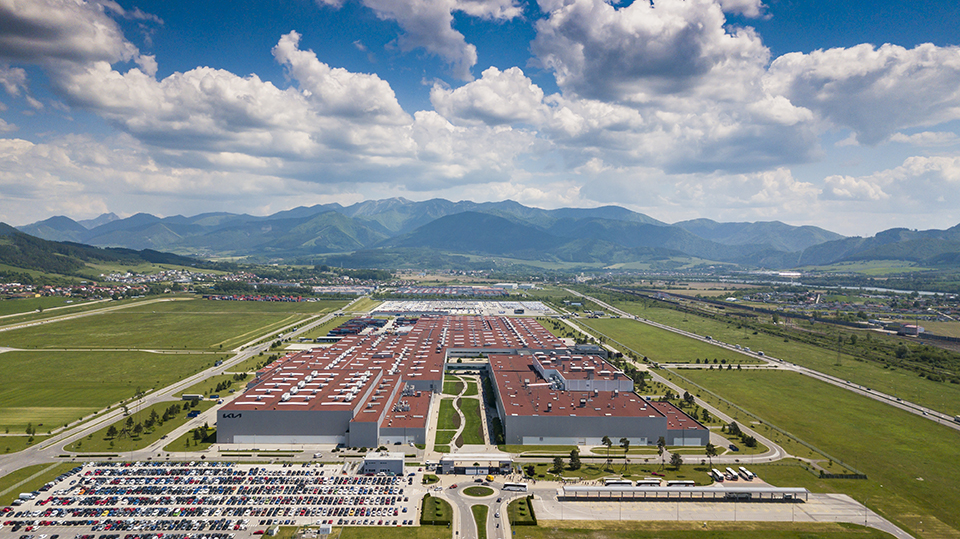
Kia Slovakia s.r.o. operates the only Kia manufacturing facility in Europe in Teplička nad Váhom, Slovakia. The plant produces vehicles and automotive components for global markets and plays a key role within Kia’s European manufacturing network. The company continually invests in advanced manufacturing technologies and digitalization initiatives to improve efficiency, quality, and operational excellence.
About Visual Components
Founded by a team of simulation experts and amassing over 20 years in business, Visual Components is one of the pioneers of the 3D manufacturing simulation industry. The organization is a trusted technology partner to a number of leading brands, offering machine builders, system integrators and manufacturers a simple, quick and cost-effective solution to design and simulate production processes and offline robot programming (OLP) technology for fast, accurate and error-free programming of industrial robots.
Want to learn more about the benefits of our solutions for your business?
Further reading
SEJFO transforms automation sales with Visual Components simulation
Sejfo Group, a Swedish automation provider with 800+ delivered projects, replaced static CAD and PowerPoint with Visual Components simulation. The result: clearer customer communication, safer robot selection, validated cycle times,...
How EMIL SCHMID MASCHINENBAU designed a high-speed battery assembly plant with Visual Components
Facing the challenge of designing a fully automated battery assembly plant for a customer, EMIL SCHMID MASCHINENBAU turned to Visual Components. With 3D simulation and an extensive library of factory...
BENTELER rolls out the production technology of tomorrow with the help of Visual Components
Together with BENTELER Automobiltechnik, Karlsruhe Institute of Technology uses modern factory planning software from Visual Components to develop innovative production technologies.